
What to Consider When Considering Nature Therapy

Sunny days and warm weather are coming up, so it’s natural to think about spending time outside. And this is a great thing because there is something powerful about stepping outside — and the truth is you can practice nature therapy without going anywhere far, sometimes no further than your own doorstep. Not in a dramatic, life-changing way, but in a subtle, grounding way. The kind that doesn’t demand anything from you, yet somehow gives you exactly what you didn’t know you needed.
Nature therapy is not a new concept, but it often feels like one in a world that moves too fast. So if you find yourself drawn to the idea of slowing down, breathing deeper, and reconnecting with something real, here are a few things to consider.
Nature Doesn’t Ask You to Be Anything
One of the most comforting things about nature is that it doesn’t expect you to perform.
You don’t have to be productive.
You don’t have to be positive.
You don’t even have to feel “better.”
You can arrive exactly as you are—tired, overwhelmed, distracted—and still belong.
Maybe the first thing to consider is this:
You don’t go into nature to fix yourself. You go to remember yourself.
It’s Not About Where You Go
It’s easy to imagine nature therapy as something that requires forests, mountains, or oceans.
But it doesn’t.
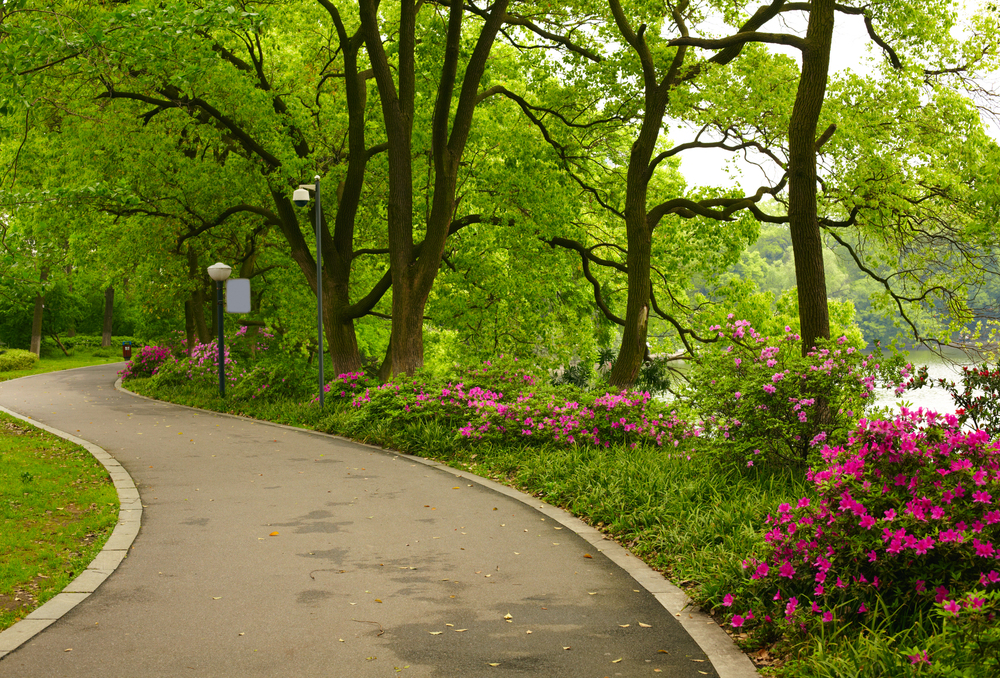
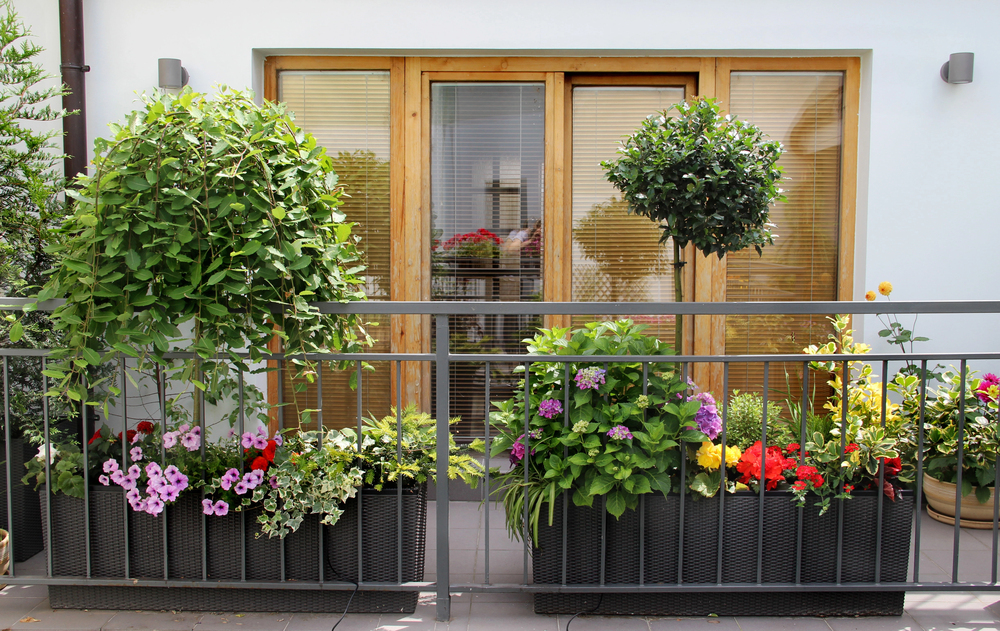
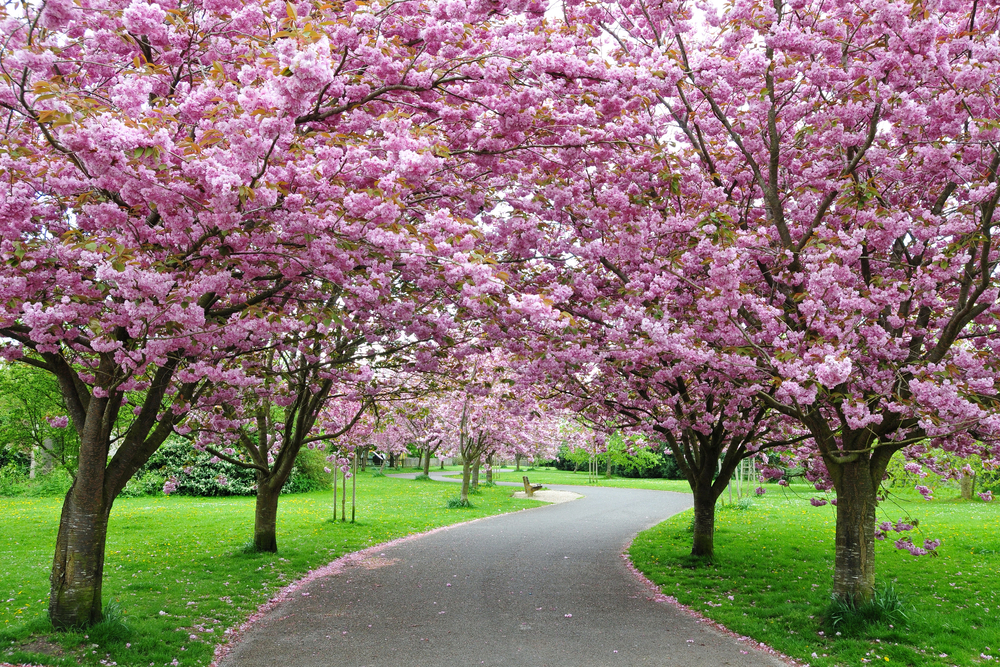
A quiet park. A tree-lined street. A balcony with a bit of sky.
Nature begins wherever you notice it, so instead of asking “Where should I go?”, you might ask “What can I notice right now?” Sometimes, the smallest moments—a breeze, a shadow, the sound of birds—are enough.
Slowing Down Is the Real Practice
Nature moves at a different pace. And if you bring your usual speed into it, you might miss what makes it healing.
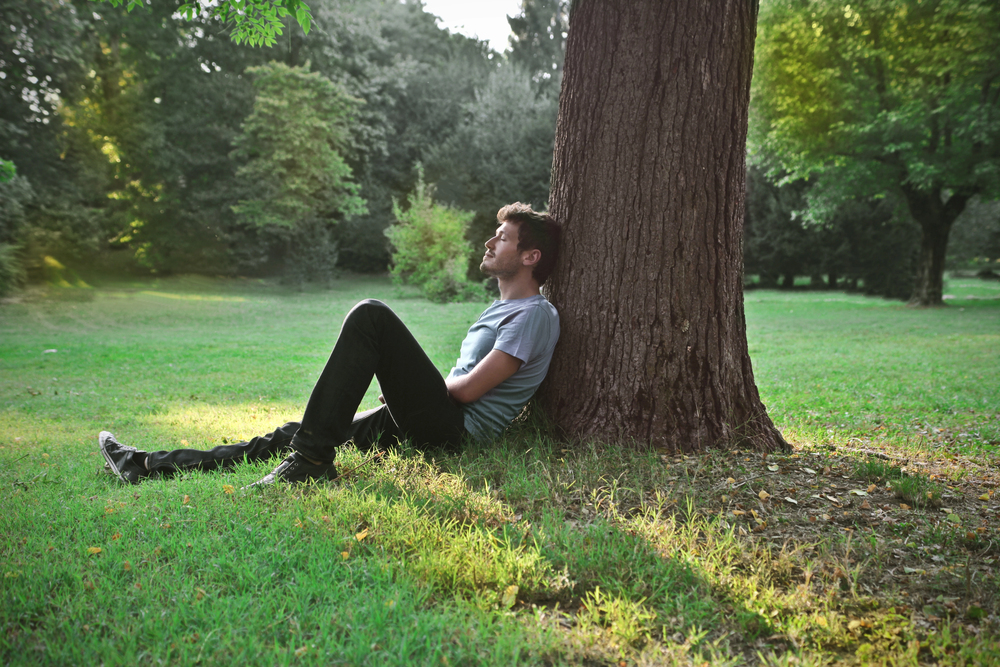
So consider this: You don’t need to do nature therapy. You just need to be in it. Walk a little slower. Sit a little longer. Look a little closer. Let your attention soften.
Your Senses Are the Way In
Nature therapy isn’t something you think your way through—it’s something you feel your way into.
You might begin by noticing:
• The texture of the ground beneath your feet
• The temperature of the air on your skin
• The sounds and colors around you
When your senses become involved, your mind naturally quiets. Not completely. But enough.
It’s Okay If Your Mind Doesn’t Immediately Settle
There’s a quiet expectation that nature should instantly calm us. But sometimes, when you finally slow down, everything you’ve been carrying catches up with you. That’s okay. Restlessness, thoughts, even discomfort—they’re part of the process, not signs that it isn’t working. Consider allowing whatever comes up to simply be there, without needing to change it.
Consistency Matters More Than Intensity
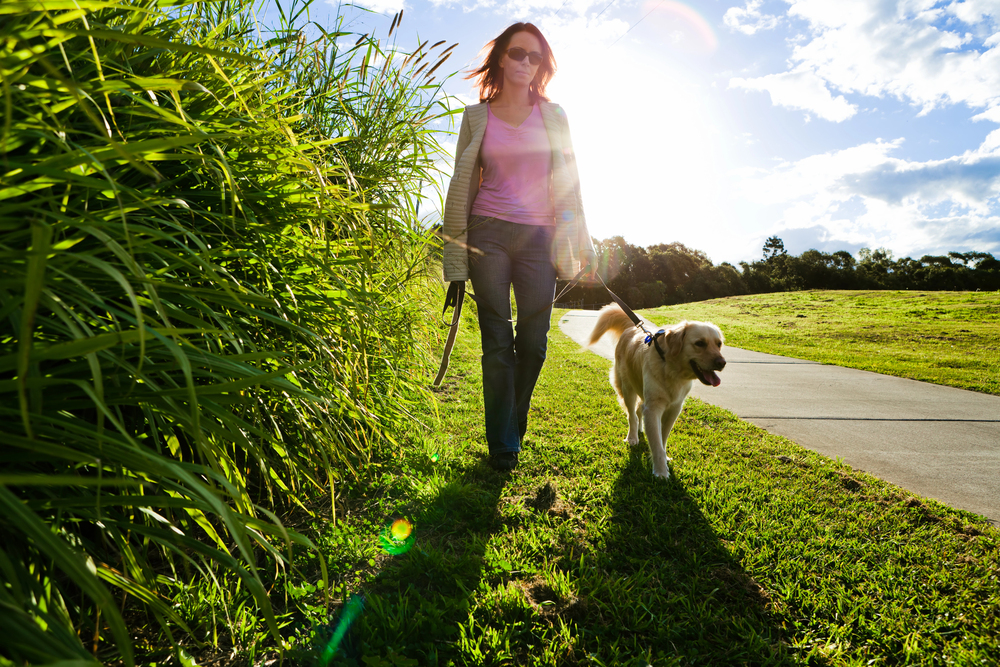
You don’t need long hikes or perfect conditions. A few minutes, regularly, can be more meaningful than occasional, idealized experiences. A short walk in the morning. A pause outside during the day. A moment of fresh air before bed.
Nature therapy becomes something deeper when it becomes something familiar.

You Don’t Have to Call It Therapy
Maybe the word itself feels too heavy or too intentional. That’s fine. You can call it a walk. A break.
The label doesn’t matter. What matters is the space you create for yourself.
A Quiet Reminder
Nature won’t solve everything. But it has a way of softening things. Of creating just enough distance between you and your thoughts. And sometimes, that’s more than enough.
So if you’re considering nature therapy, maybe the most important thing to consider is this:
You don’t need to do it perfectly.
You just need to begin.
Step outside.
Pause.
Notice.
And let that be enough.
I go to nature to be soothed and healed, and to have my senses put in tune once more.
– John Burroughs
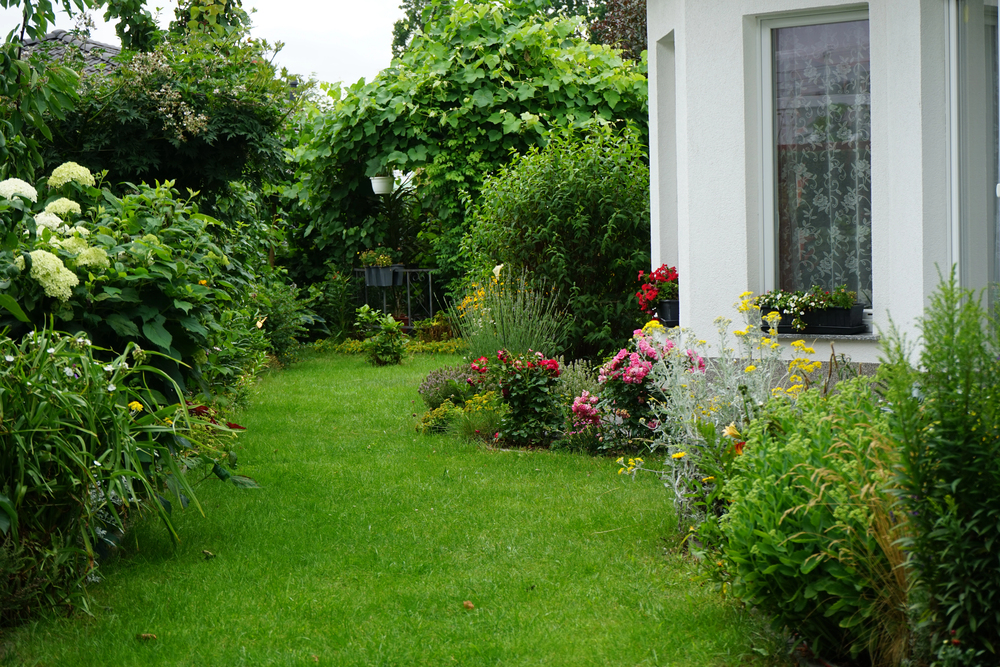
However you find it — a slow walk, a little garden, or a windowsill of houseplants — nature is never far.