
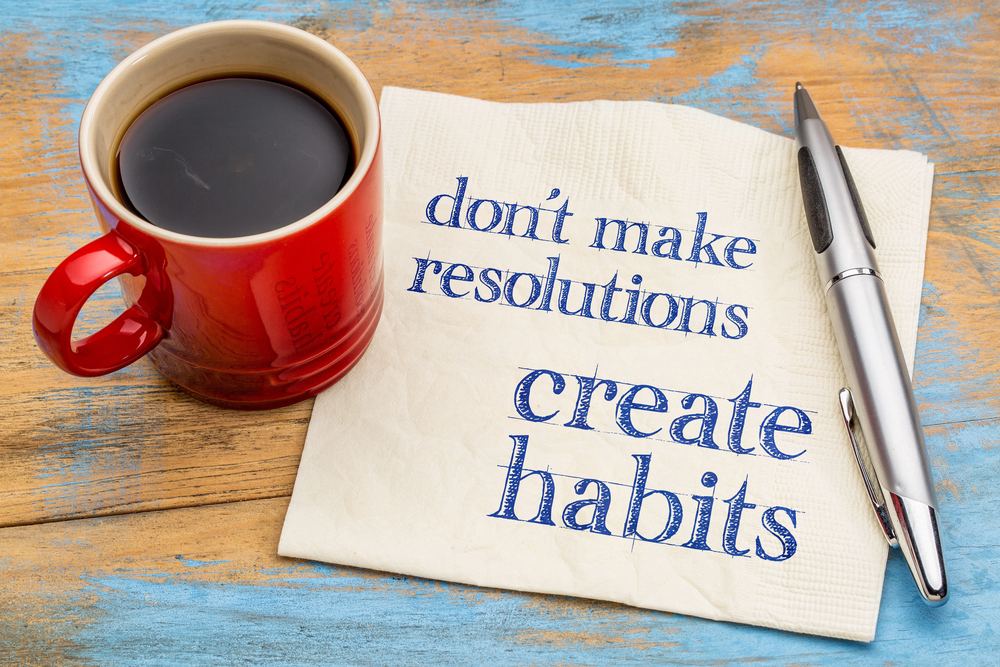
What to Consider When Considering New Year’s Resolutions

We started this year by talking about New Year’s resolutions and how you should be humble in making them in order to keep them. We are now at the end of January, and this is the time when we usually drop them. So, I wanted to revisit this topic to give us all some hope and maybe even manage to keep some of those resolutions (by turning them into habits). 🙂
Why We Quit by January (and How Not To)
Every year, millions of people welcome January with big dreams and even bigger resolutions.
“This is the year I get fit.” “This is the year I save money.” “This is the year I finally stop procrastinating.”
The calendar flips, motivation is high, and for a brief moment, everything feels possible.
And then… January ends.
By the time February arrives, gyms are quieter, healthy groceries are replaced by snacks, and that brand-new planner is already collecting dust. If this sounds familiar, don’t worry – you’re not lazy or broken. You’re just human.
Why We Love Making Resolutions
New Year’s resolutions are appealing because they give us a sense of starting from scratch. Psychologists call this the “fresh start effect.” A new year feels like a clean slate, a chance to leave old habits behind and become a better version of ourselves.
The problem is that motivation alone doesn’t last very long. Motivation is exciting, but it’s also temporary. When real life shows up – busy schedules, stress, bad weather, low energy – motivation quietly slips out the back door. This is why we need habits; they last.
Why Most People Quit by the End of January
There are a few common reasons why resolutions fail so quickly:
- The goals are too big.
“Exercise every day,” “quit sugar completely,” or “wake up at 5 a.m. forever” sound impressive, but they’re hard to maintain. When goals are too extreme, missing one day can feel like total failure, which makes quitting easier. - We expect fast results.
Many resolutions come with invisible deadlines. We secretly expect to see results in two or three weeks. When progress is slow (as it usually is), frustration kicks in, and enthusiasm fades. - Life gets in the way.
January motivation often forgets about sick days, long work hours, family responsibilities, and mental fatigue. When plans don’t fit real life, they don’t last. - We rely on willpower.
Willpower is like a battery – it drains. If your resolution depends entirely on “being strong,” it’s only a matter of time before that strength runs out.
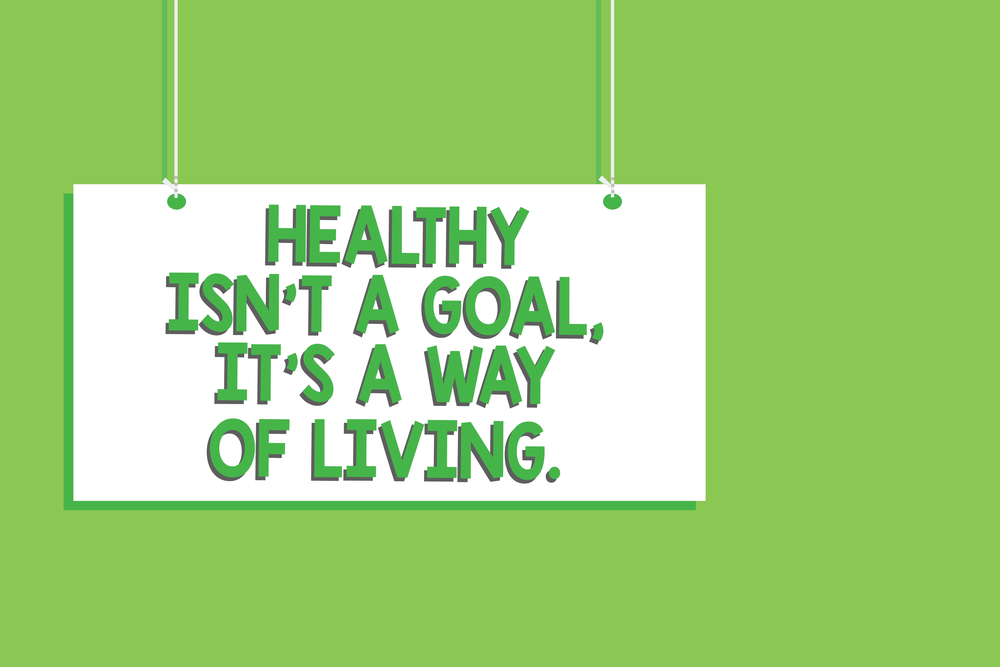
The Good News: You Can Keep Your Resolutions
The goal isn’t to be perfect. The goal is to be consistent. Here’s how to give your resolutions a real chance this year:
- Make your goal smaller than you think it should be.
Instead of “work out every day,” try “move my body for 10 minutes, three times a week.” Small goals feel almost too easy, and that’s the point. Easy goals get done. And that gives a positive effect. - Focus on habits, not outcomes.
Instead of saying, “I want to lose 5 kg,” focus on habits like cooking at home twice a week or walking after dinner. Habits are within your control; results will follow naturally. - Plan for bad days.
Don’t ask, “What’s the perfect routine?” Ask, “What will I do when I’m tired, busy, or unmotivated?” A backup plan – like a short workout or a simplified version of your habit – can save your progress. - Track progress in a simple way.
You don’t need fancy apps or complicated charts. A checklist, calendar, or notes app works fine. Seeing your effort builds momentum, even when results are slow. - Be flexible, not strict.
Missing a day doesn’t mean you failed. It means you’re human. The real danger isn’t missing once – it’s quitting completely because you missed once. Just restart the next day. - Connect your resolution to a “why.”
Goals stick better when they mean something. Instead of “I should exercise,” try “I want more energy,” or “I want to feel confident,” or “I want to be healthier for my family.” A strong reason beats motivation every time.
A Different Way to Think About Resolutions
What if resolutions weren’t about becoming a brand-new person overnight? What if they were about becoming 1% better, one small step at a time?
You don’t need a perfect January to have a successful year. You don’t even need to start on January 1st. You can start today, tomorrow, or next Monday. Progress doesn’t care about dates – it cares about direction.
So if you’ve already quit your New Year’s resolution, congratulations: you’re right on schedule with most of the world. The real win is not quitting forever. It’s choosing to begin again, in a way that actually works for you.
It does not matter where you are standing right now, what matters is where you are headed to.
– Sanchita Pandey